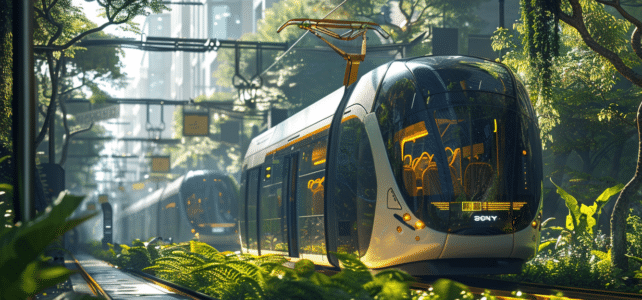
In the era of digitalization and in the face of climate challenges, the public transport sector is undergoing a radical transformation. With the rise of green technologies and solutions based on artificial intelligence, stakeholders in this field are moving towards more sustainable and efficient alternatives. Electric mobility, the development of smart transport networks, and the implementation of real-time data sharing systems are redefining the user experience. These innovations aim to optimize journeys, reduce carbon footprints, and improve passenger flow management, marking a fundamental step towards smarter cities and better-connected communities.
Technological advancements revolutionizing public transport
In the public transport sector, innovation is underway with the arrival of new technologies that disrupt traditional methodologies. Dematerialization, for example, optimizes processes and improves efficiency while reducing costs related to logistical operations. This conversion of documents and operations into electronic formats is a major asset, facilitated by big data and service technologies.
Green logistics is also establishing itself as a strong link in innovation within the urban transport sector. It aims for a significant reduction in environmental impact, particularly through the use of electric vehicles. These vehicles, part of a sustainable mobility approach, are now at the heart of the transformation of public transport systems towards a zero-emission transport model.
The automation of transport operations is revolutionizing fleet management and simplifying route planning through artificial intelligence. This development of autonomous vehicles and advanced fleet management systems promises a considerable improvement in the efficiency of public transport services.
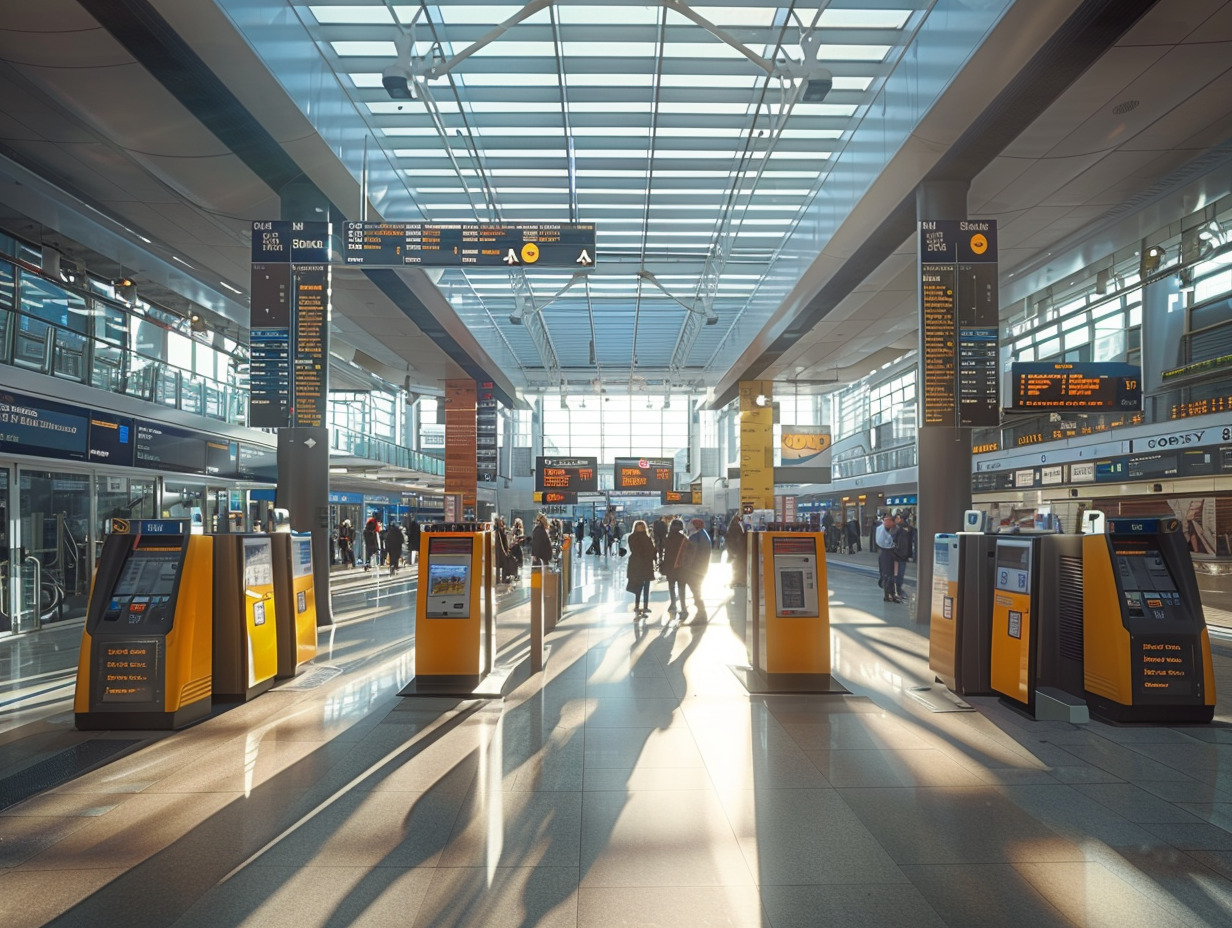
The implementation of digital technologies in the automotive sector, such as autonomous rail systems, directly influences automotive PACES trends and requires the adaptation of ecosystems within the automotive industry. In this regard, Keolis self-service emerges as a future-oriented solution, in line with these developments, paving the way for enriched user experiences and optimized transport resource management.
Challenges and solutions for sustainable and efficient public transport
The public transport sector, in a perpetual quest for efficiency and sustainability, faces significant challenges. Sustainable transport necessitates an energy transition, placing innovative solutions like hydrogen at the forefront. Indeed, as an alternative to fossil fuels, hydrogen is asserting itself in intelligent rail innovation, promising a drastic reduction in greenhouse gas emissions. Battery electric buses and autonomous vehicles also enrich the landscape of zero-emission public transport.
However, this energy transition calls for a rethinking of existing infrastructures. Significant investments are necessary to integrate these new technologies, such as hydrogen refueling stations or advanced management systems for electric vehicles. Consider the financial implications and the cooperation between public authorities and private companies, which must align to forge the foundations of a renewed and resilient public transport network.
The efficiency of the transport sector cannot be dissociated from innovation in management and operational planning. Artificial intelligence, by facilitating the automation of transport operations, allows for a smoother and more dynamic management of fleets. The digital revolution in public transport thus translates into better adaptation to user needs, optimization of routes, and a commitment to the environment, making public transport not only more sustainable but also more attractive to citizens.