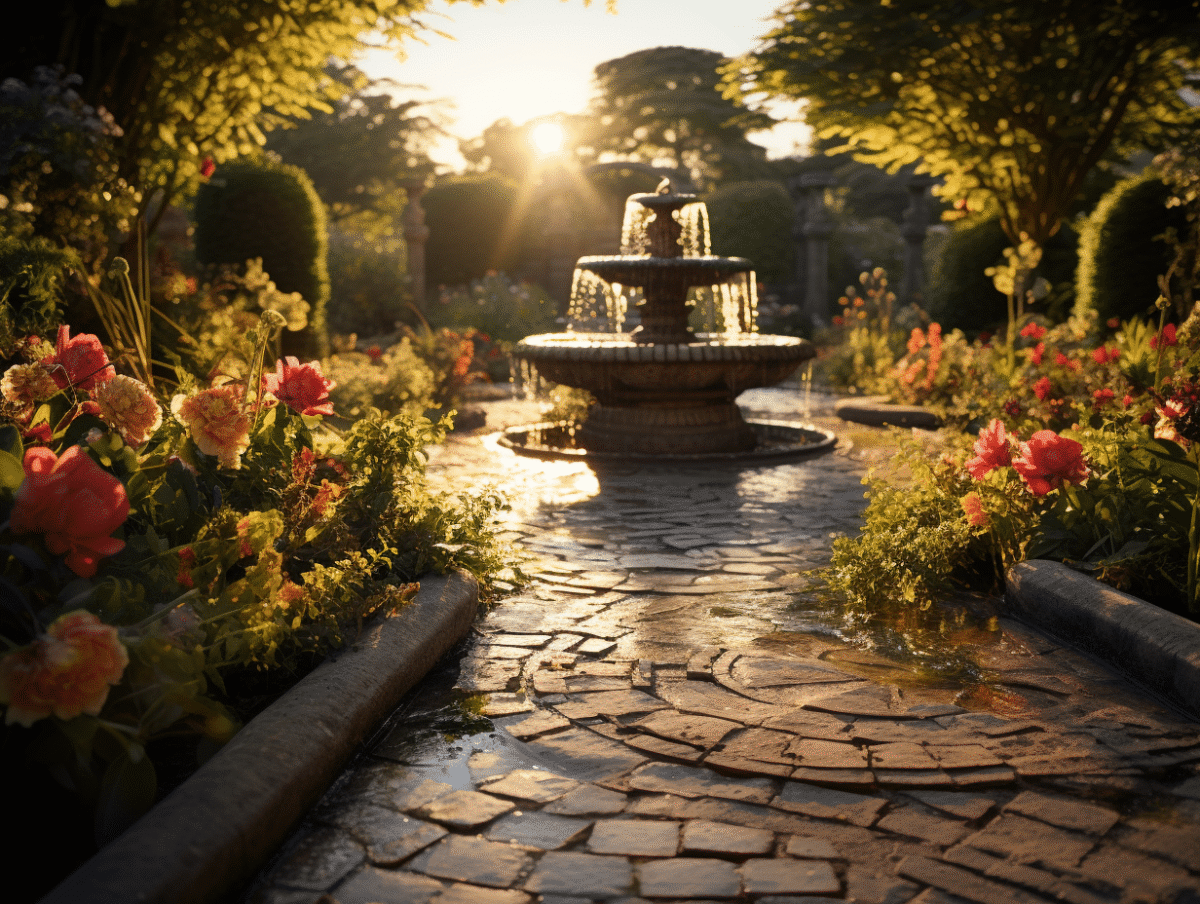
The layout of a garden is a delicate art where every detail matters. Creating a harmonious outdoor space requires vision, planning, and an understanding of landscape elements. Whether one aspires to a peaceful haven for rejuvenation, a playground for children, or a nourishing vegetable garden, several factors come into play: the choice of plants, the arrangement of colors, space management, and the integration of natural and architectural elements. The secrets of a successful layout lie in the balance between functionality and aesthetics, thus reflecting the personality of the owner.
The art of structuring the outdoor space
Find the perfect balance between function and form by designing your garden. A carefully crafted garden plan is the backdrop that will bring your vision to life. Consider this document as the foolproof guide to organizing the garden space, clearly defining planting areas, functional spaces, and pathways. Paysans.org, for example, offers valuable resources for homeowners looking to draw up an effective and aesthetic plan.
Design each area according to its intended use. The relaxation space, a central element of the garden, should invite rest and contemplation. Include comfortable seating, water features, or artworks that blend into the landscape. Around it, functional spaces, whether dedicated to play, gardening, or relaxation, should coexist harmoniously, without breaking the visual and practical balance of the whole.
Integrate nighttime lighting not only for safety reasons but also to highlight the most beautiful features of your garden once night falls. A well-thought-out lighting system can transform the garden experience after sunset, emphasizing the textures of plants and the contours of structures. Light then becomes a staging tool serving the nocturnal aesthetics.
Collaborate with a professional landscaper to bring a touch of expertise to your project. The advice of a specialist can be invaluable, particularly in the choice of plants or ornamental grass, to enhance the garden while respecting local conditions. A landscaper will also guide you towards best practices for maintaining the health and beauty of your outdoor space throughout the seasons.
The principles of sustainable and aesthetic gardening
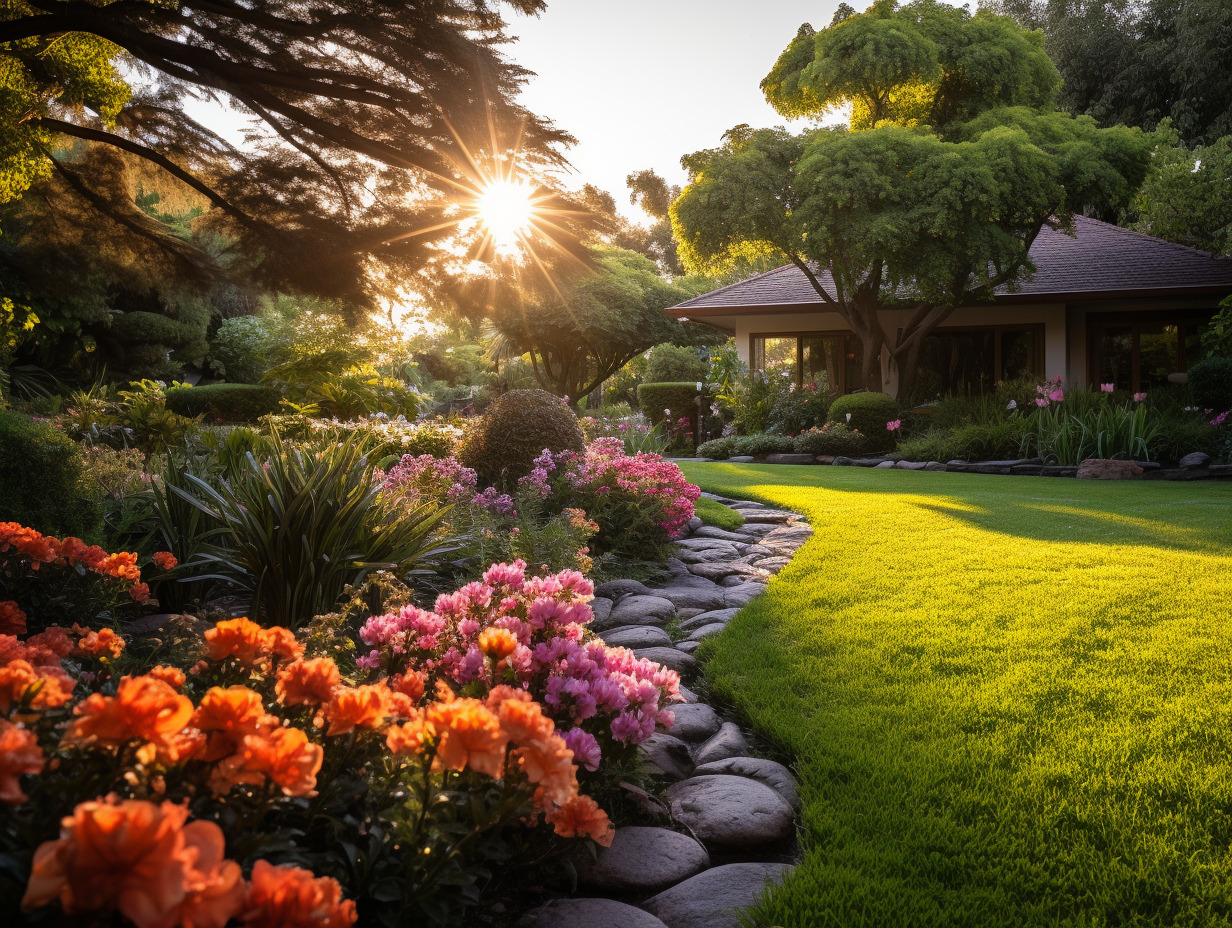
Prioritize biodiversity by selecting varied plants that will enrich the ecosystem of your garden. This biological diversity, a true green lung, contributes to the overall health of your outdoor environment by attracting pollinators and balancing the ecosystem. By integrating endemic species and habitats for local wildlife, you forge a close connection with the surrounding natural environment.
Choose local and eco-friendly materials when designing your spaces. Whether it’s paving, furniture, or garden structures, using nearby resources reduces the carbon footprint while supporting the local economy. Recycled or natural materials, such as certified wood or natural stone, lend authenticity and durability to your landscaping.
Adapt your watering methods to conserve water and ensure the health of your plants. A drip irrigation system, for example, minimizes waste by targeting the roots directly. Collecting rainwater or using drought-resistant plants are effective strategies for environmentally friendly gardening that respects resources.
Maintain your garden regularly with gentle methods for the soil and plants. Natural mulching, crop rotation, and the use of compost promote a living and fertile soil. Avoid chemical pesticides by favoring organic solutions to treat diseases and pests. Thoughtful and sustainable maintenance ensures not only the aesthetics of the garden but also its ecological longevity.